
Workshop : march 9, 2026 at CHV Anicura Aquiver

21-11-2025
Workshop : March 9, 2026 at CHV AniCura Aquivet (Mérignac).
We are pleased to announce a training session on March 9, 2026, dedicated to Achilles tendon reconstruction with the L-ten® and round ligament reconstruction with the H-lux®.


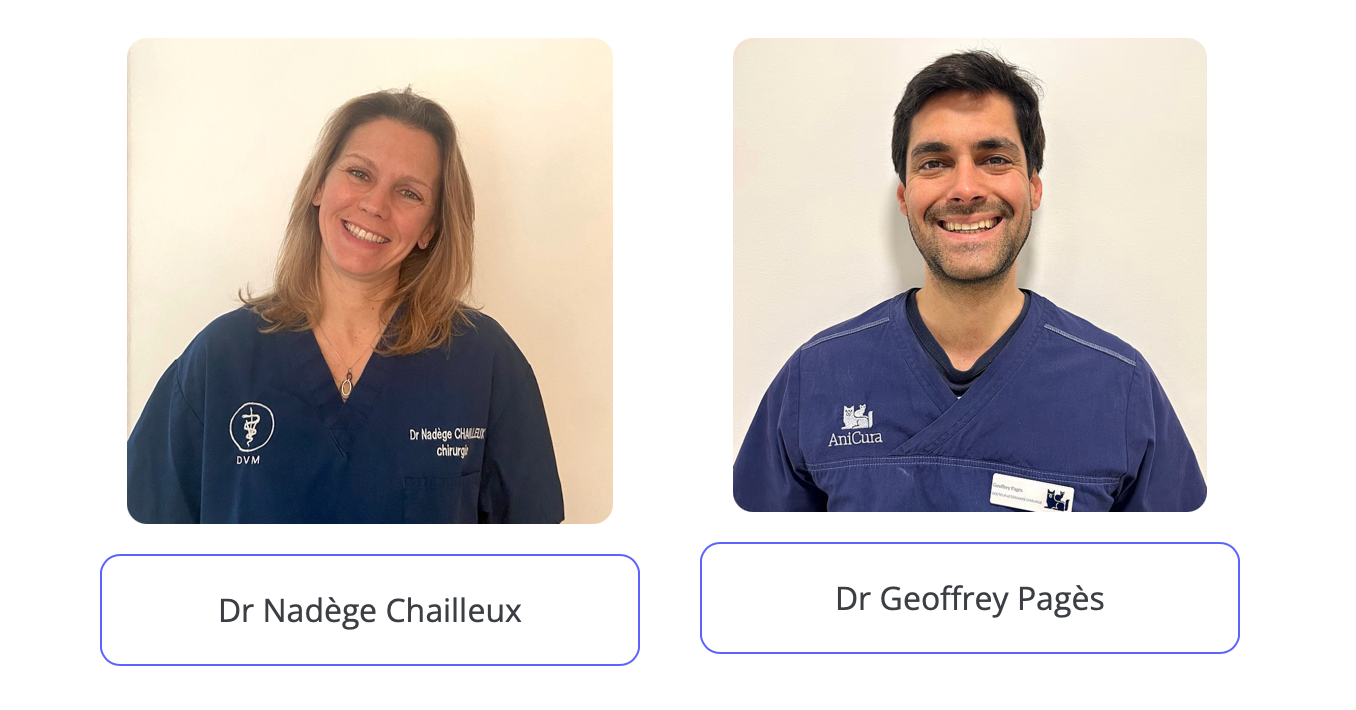
🩺 Trainers: Dr. Nadège Chailleux & Geoffrey Pagès (Dipl. ECVS)
👤 Only 10 spots available.
📚 This session is intended for veterinarians who wish to improve their knowledge in orthopedic surgery and apply the latest surgical techniques related to these two complex procedures.
A great opportunity to exchange, improve skills, and strengthen surgical expertise in a stimulating and collaborative environment.
📩 For more information about the program and registration details, feel free to contact us here.
More articles
Achilles Tendon Reconstruction in Cats: Which Implant Should Be Used?
2025-04-09
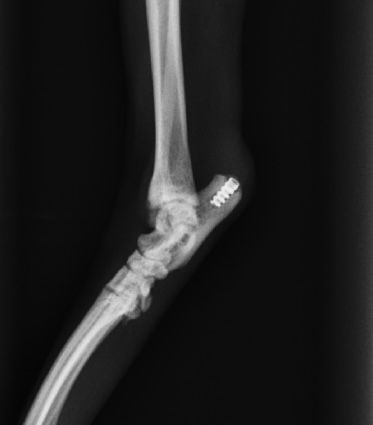
The use of the L-ten, specifically designed to treat tendon ruptures, depends solely on the size of the bone tunnels that can be created. In this case (Achilles tendon rupture in a 3.5 kg cat), the L-ten was not suitable for its size, as it required a bone tunnel of too large a diameter. Therefore, the Z-lig 16 fibers was chosen. With a resistance of 2,000 Newtons, this compact implant is perfectly suited for use in cats. It requires the creation of a 2.5 mm diameter bone tunnel, along with the placement of a 3.0 mm interference screw to hold it securely in place. Operated on its right hind limb by Dr. N. Chailleux in 2023, here are some images taken two years after surgery.The recommended surgical technique allows for a postoperative period with minimal constraints for both the animal and its owner, ensuring optimal recovery:Immediate mobility, no external fixator: a dorsal splint and a Robert Jones bandage for 5 to 6 weeks, allowing controlled partial weight-bearing.The unique porosity of the free fibers (placed at the rupture site) promotes colonization by fibroblasts, enabling the formation of new collagen aligned with the direction of tension.
Round ligament reconstruction assisted by a C-arm
2025-06-12
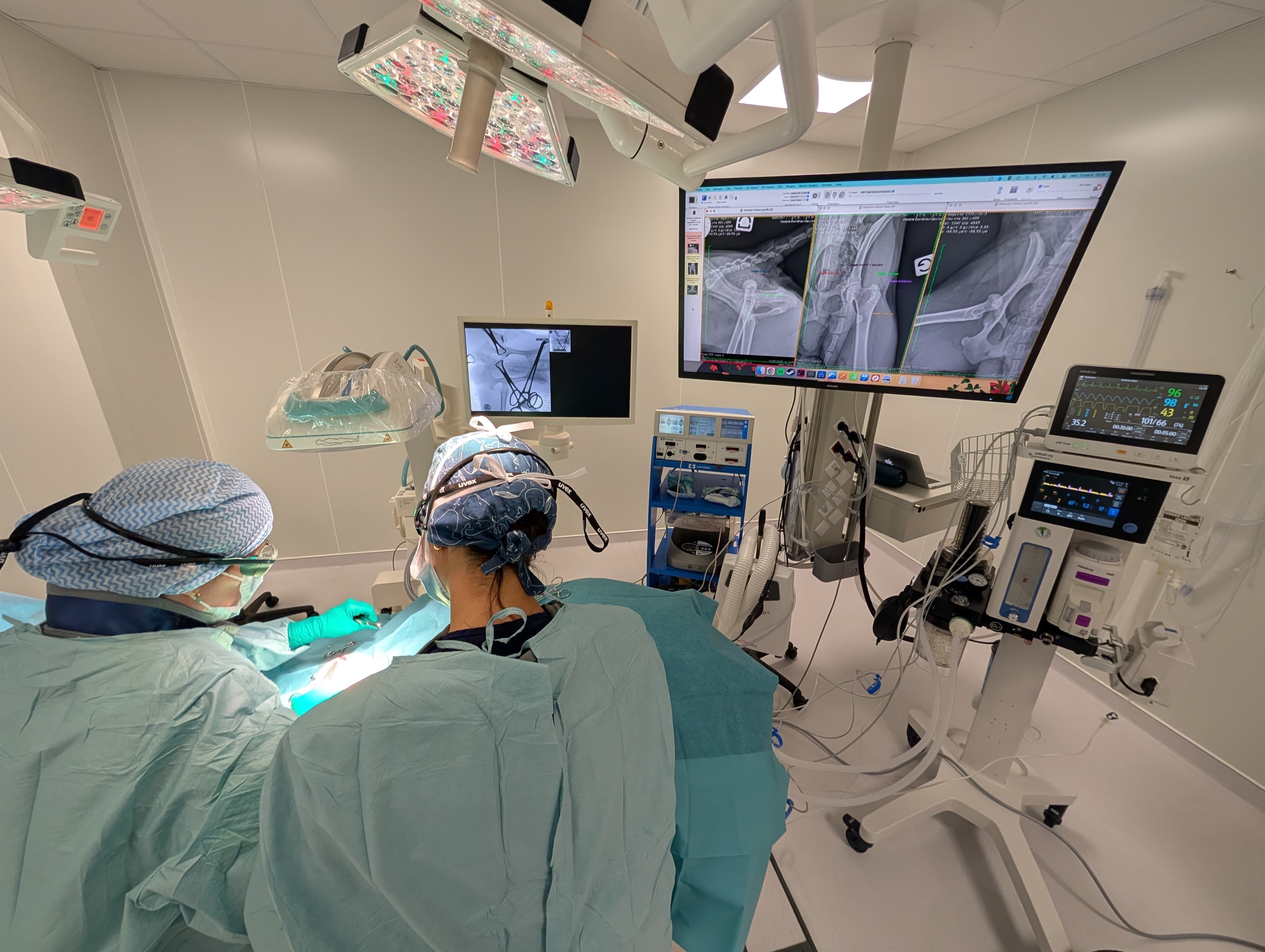
Ulcko, a 7.5 kg Pomsky, was treated by the surgical team at CHV AniCura Aquivet following a polytrauma, including an open dislocation of the left tarsus and a right coxofemoral (hip) luxation.Thanks to a minimally invasive surgical approach guided in real-time by fluoroscopy, Drs Geoffrey Pagès, Paula López de la Oliva Cases, and Mia Gobin were able to accurately place the H-lux® 25 fibers (3 125 N) implant from STIF – Pet Care.✅ Result: a faster procedure (25 minutes), a less invasive technique (no joint opening required), and optimized recovery for the patient (video taken 3 days post-op).This type of intervention demonstrates how next-generation implant technologies and advanced imaging (here, C-Arm) continue to transform the treatment of orthopedic conditions.Congratulations to the entire veterinary team for this excellent technical and medical collaboration! This type of intervention demonstrates how next-generation implant technologies and advanced imaging (here, C-Arm) continue to transform the treatment of orthopedic conditions.👏 Congratulations to the entire veterinary team for this excellent technical and medical collaboration!
Why choose free fibers ?
2025-07-16
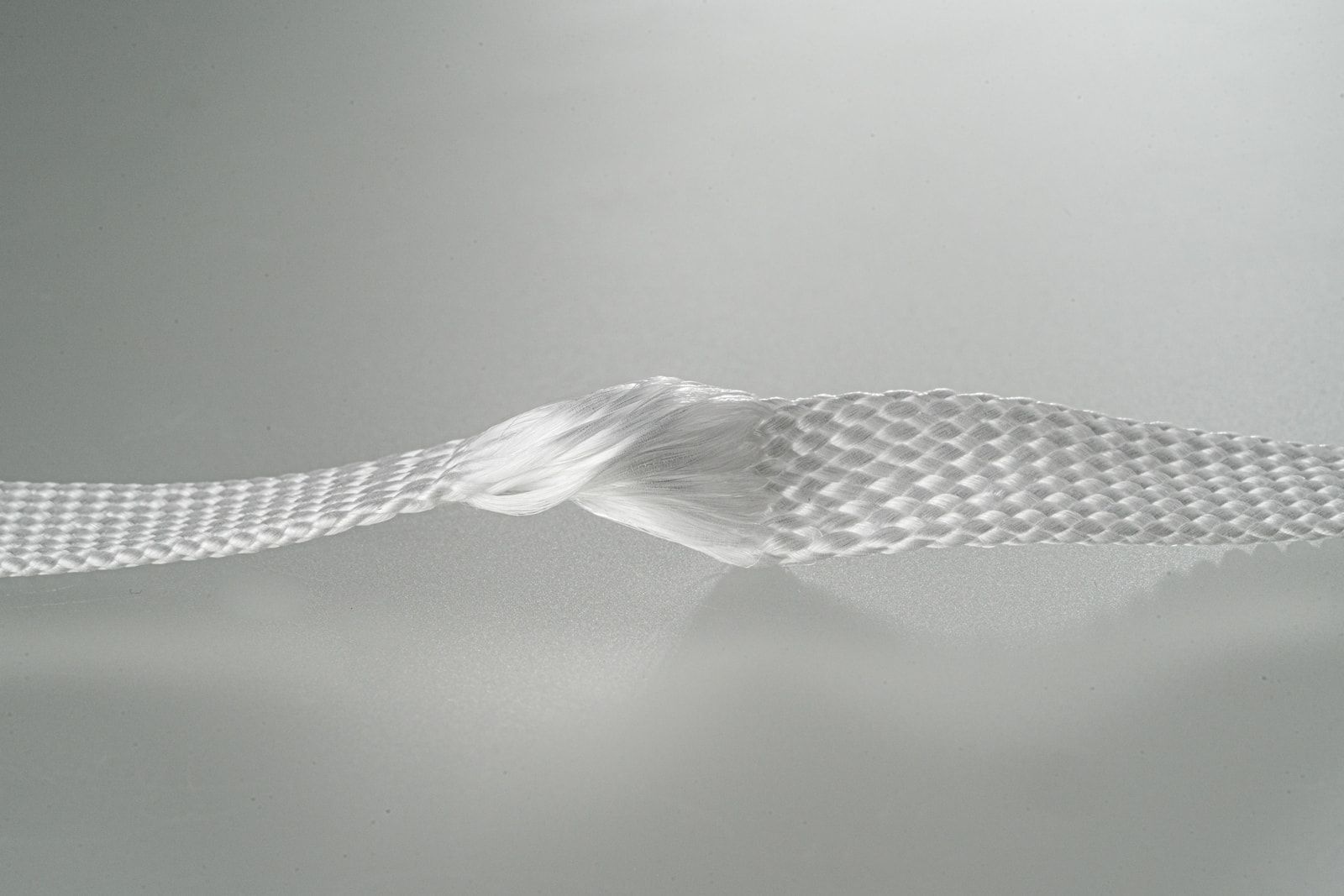
Free fibers offer two major advantages.1. Mechanical resistance:In the active zone of the implant (Z-lig®), the residual fatigue resistance (combined tension, flexion, and torsion) of free fibers is significantly higher than all other tested structures (12 million cycles), whether woven, knitted, or braided, which degrade more or less rapidly (structure elongation) and release debris into the joint before mechanical failure.Free fibers produce no particle debris, and elongation after this testing phase was approximately 2%. 2. Promotes fibroblast colonization and growth of new collagen aligned with the direction of tensionThe architecture of free fibers is porous and conducive to fibroblast infiltration (unlike braided structures, which are dense, opaque, and minimally permeable). When a healthy remnant of the cranial cruciate ligament (CCL) is present, it should be preserved as much as possible, as it facilitates fibroblast regrowth and the development of collagen oriented along the direction of tension.

Book a video call
Would you like to learn more or order a product ? Don't hesitate to contact us!


Contact us
Would you like to learn more or order a product? Don't hesitate to contact us!

Our Training and Program Schedule
To discover the R&D process of our innovations and to learn about the surgical techniques we offer, with expert trainers.
Our Training and Program Schedule
To discover the R&D process of our innovations and to learn about the surgical techniques we offer, with expert trainers.